
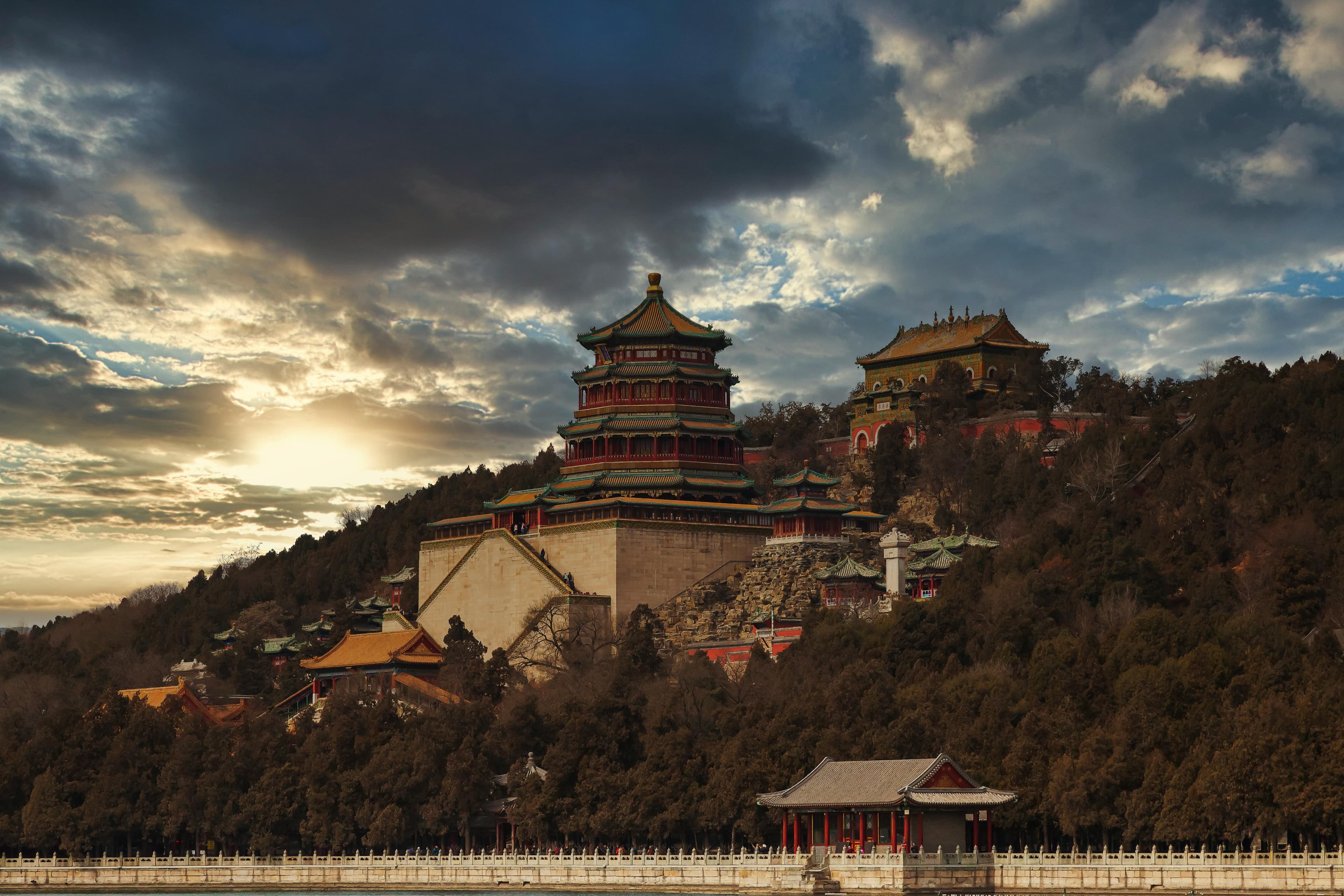


Bhutan

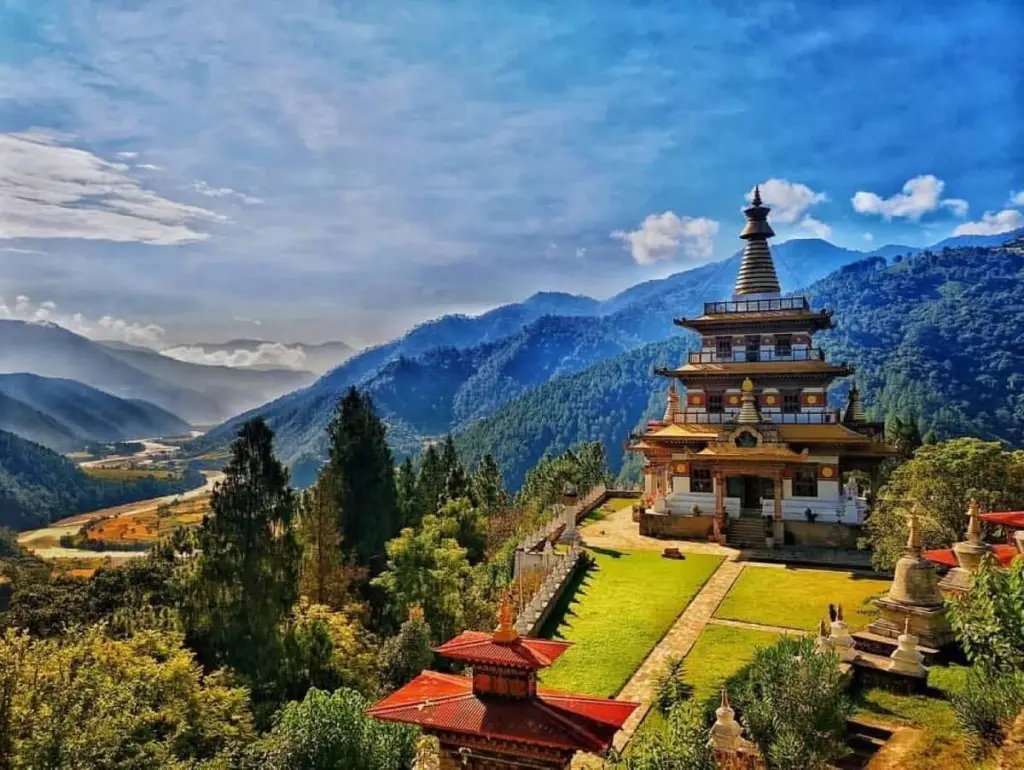
Known as the Land of the Thunder Dragon, Bhutan is a Himalayan kingdom where monasteries cling to cliffs, valleys glow with prayer flags, and the pace of life is guided more by Gross National Happiness than by the clock. From misty mountain roads to centuries-old dzongs, every turn feels like a quiet revelation. Bhutan is not just a destination—it is a state of mind, where simplicity, spirituality, and the wild landscape exist in perfect balance.
Photos

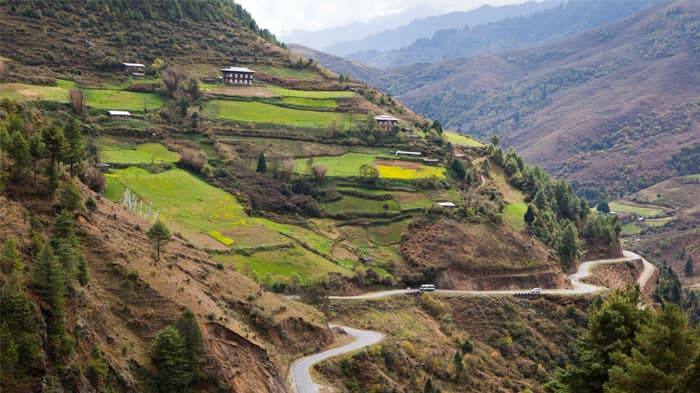
Where Roads Follow the Mountains, Not the Map
In Bhutan, roads are carved with patience rather than urgency. They wind gently around mountains, respecting the natural terrain instead of forcing through it. Sharp climbs give way to serene valleys, and dense forests suddenly open into panoramic passes. For riders, this creates a rare experience — roads that feel harmonious rather than aggressive. The journey becomes less about reaching somewhere fast and more about flowing with the landscape itself.
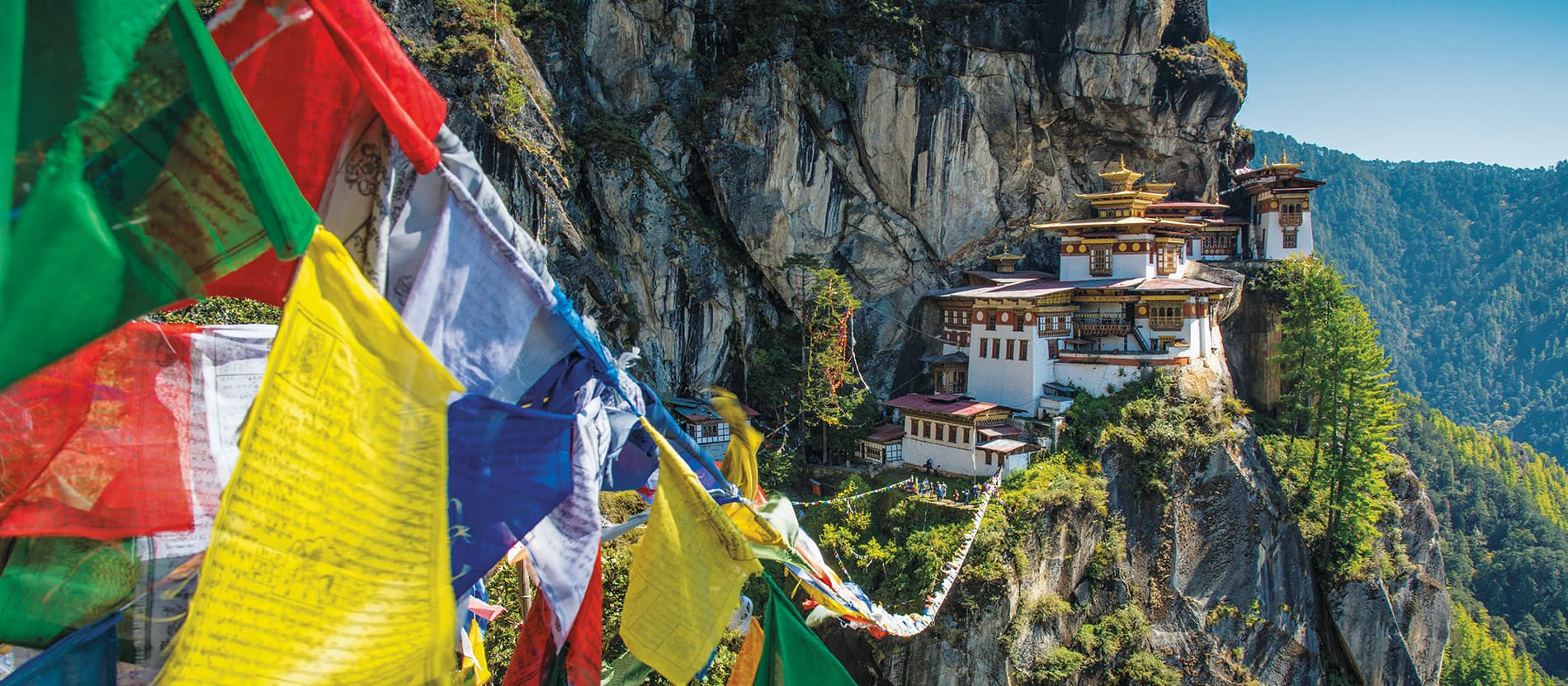
Prayer Flags That Ride With You
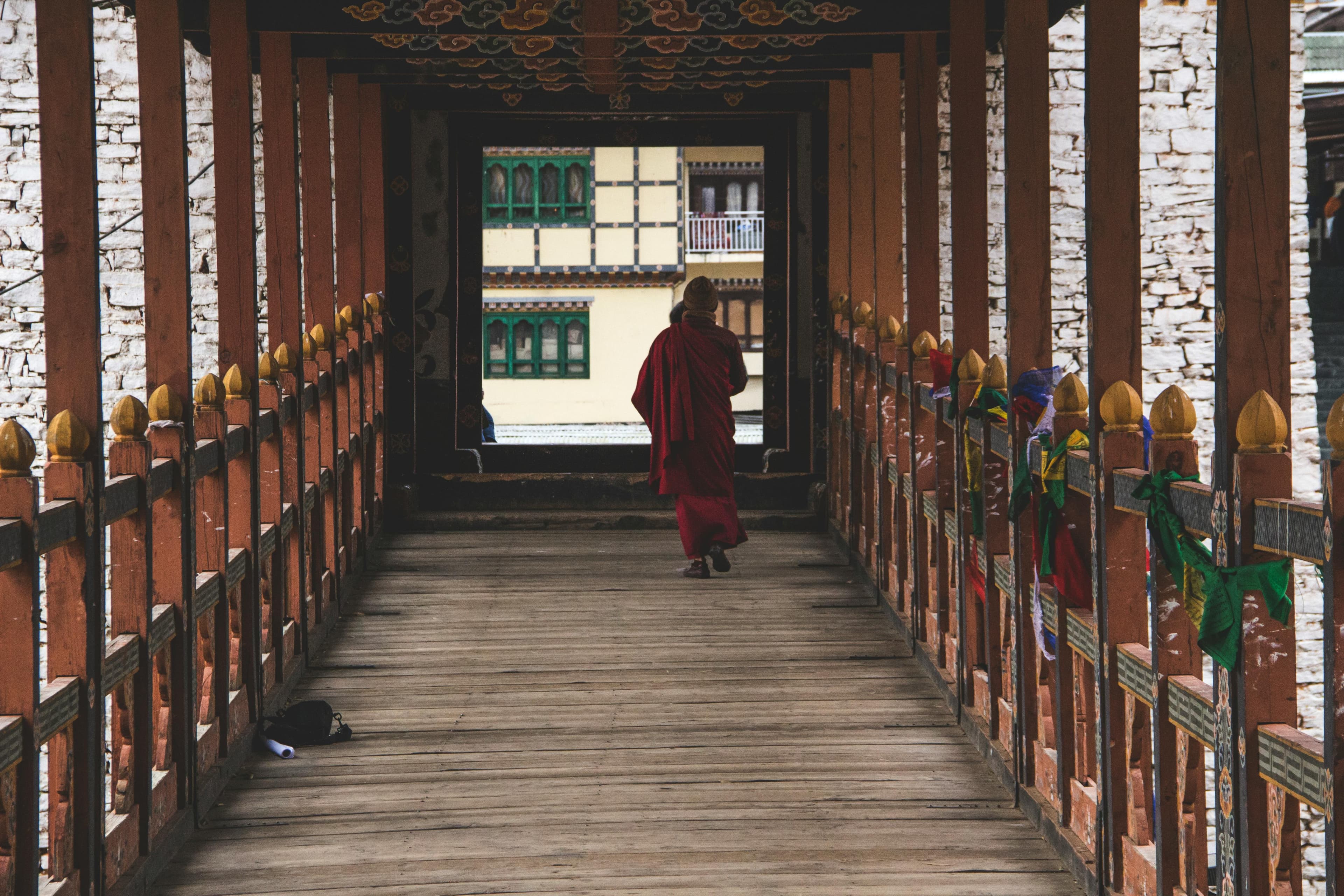
Across Bhutan's high passes, colourful prayer flags stretch across ridge lines and bridges, carrying mantras into the wind. Locals believe the wind spreads blessings across the land, protecting travellers who pass beneath them. Many riders find themselves pausing at these points not just for photographs, but for a quiet moment. In Bhutan, the road doesn't just take you forward; it invites reflection along the way.
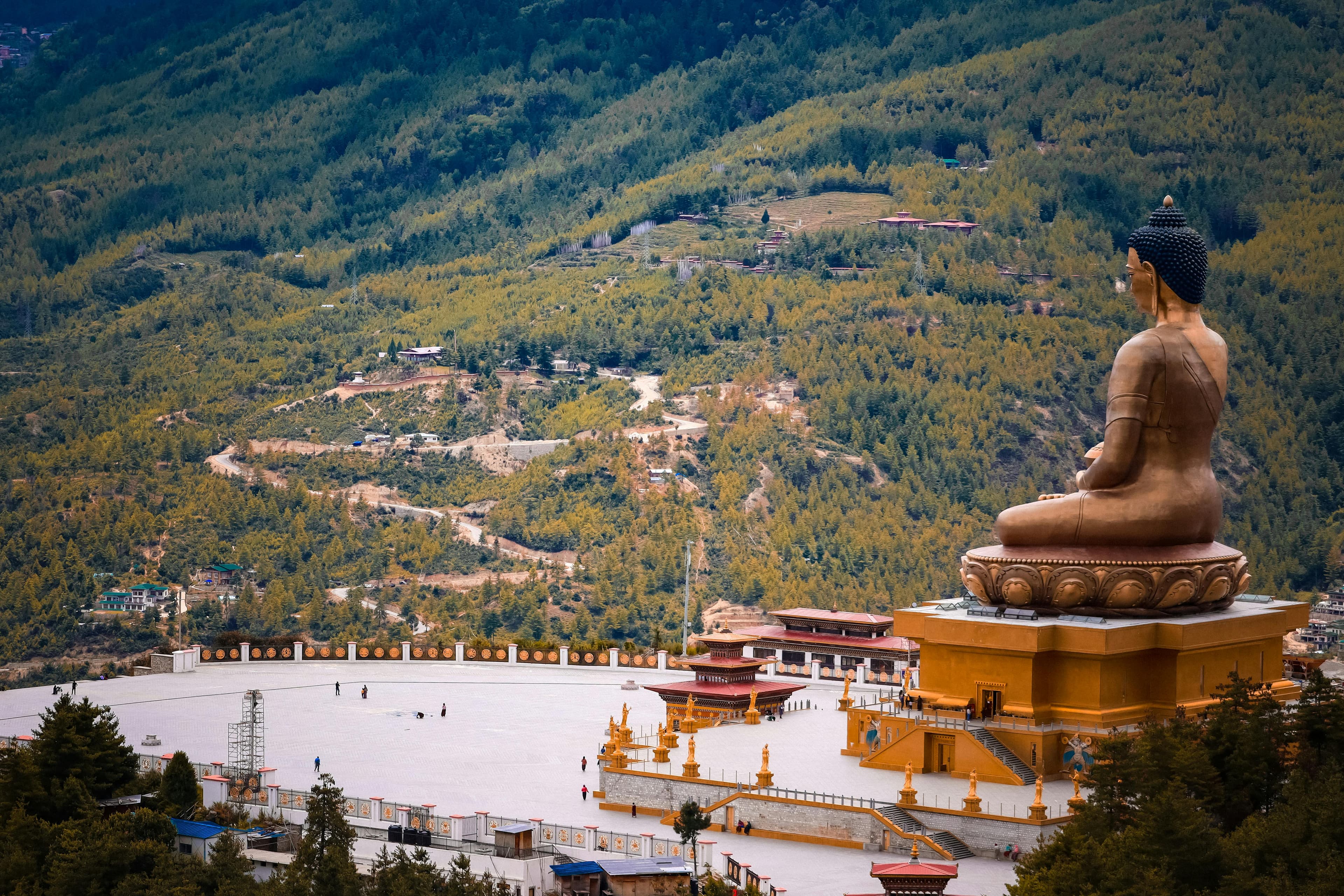
The Silence Between Valleys
Unlike many mountain regions filled with constant traffic or tourism noise, Bhutan offers long stretches of profound silence. Forest roads echo only with wind, birds, and the hum of your engine. That silence becomes part of the adventure. Riders often describe Bhutan not as thrilling in the traditional sense, but deeply calming, a rare feeling where the mind slows down even while the journey continues.
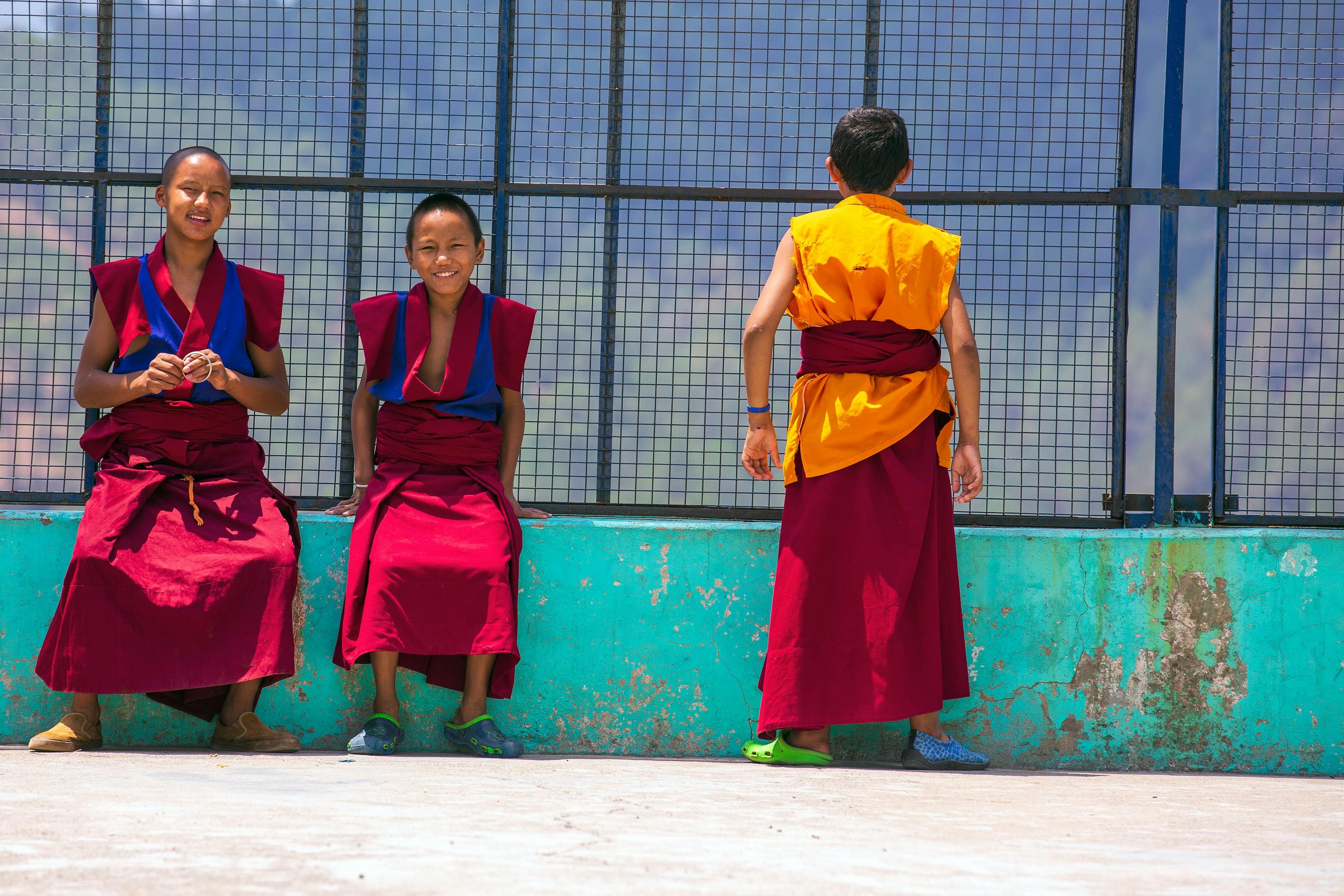
Happiness as a National Philosophy
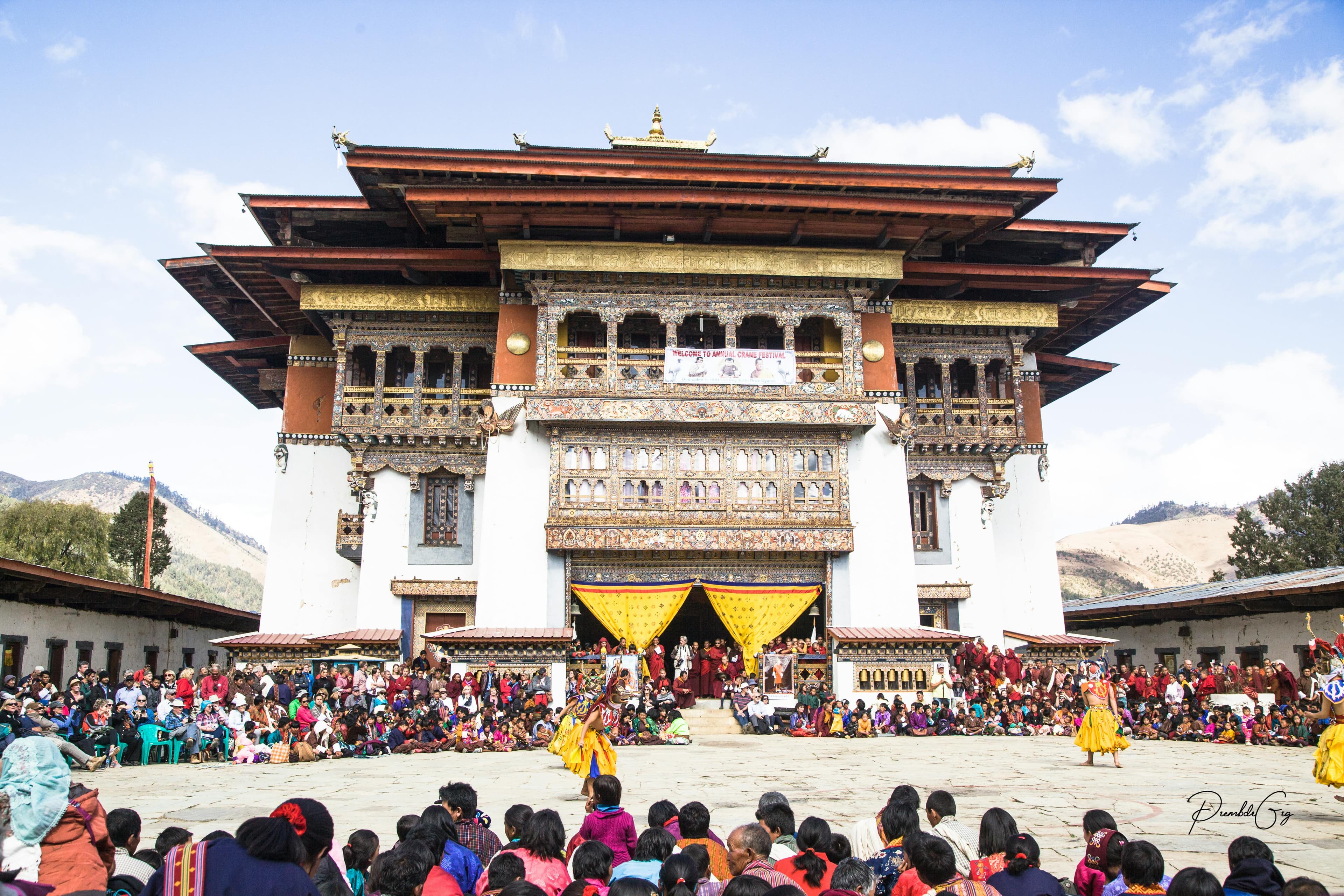
Bhutan is famous for measuring Gross National Happiness instead of economic output, and that philosophy quietly shapes the travel experience. Development is intentional, tourism is controlled, and cultural identity is protected. For travellers and riders, this means landscapes remain pristine, traditions remain alive, and encounters with locals feel genuine. Adventure here is not commercialised — it feels preserved.